
Why Many Patients Choose Dental Bridges to Replace Missing Teeth
A missing tooth affects more than just how a smile looks. Many people notice changes in how they chew, speak, or feel when they smile. While there are several tooth replacement options available today, dental bridges remain a popular choice for restoring everyday function. Learning how dental bridges work, why replacing missing teeth is important, and what options are available can help patients make their own choices based on comfort, oral health goals, and lifestyle needs.
Patients seeking a dental office often ask whether a bridge could be a practical, long-lasting option. Understanding how dental bridges work, why missing teeth matter, and what types are available can help patients make informed decisions based on comfort, oral health needs, and lifestyle.
Dental bridges have been used in dentistry for decades and are still recommended when certain oral health conditions make them an appropriate option. They are designed to replace one or more missing teeth by supporting an artificial tooth with adjacent natural teeth or existing dental restorations. Bridges are often chosen because they offer dependable function and stability without involving surgical treatment.
What Is a Dental Bridge and How Does It Replace Missing Teeth?
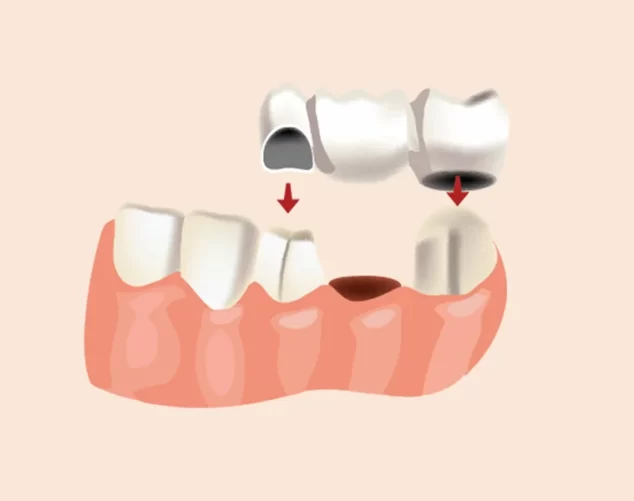
A dental bridge functions as a fixed tooth replacement, using an artificial tooth supported by adjacent teeth or restorations to restore the gap left by missing teeth. Once placed, a bridge stays in position and functions much like natural teeth during everyday activities.
Dental bridges rely on healthy neighboring teeth for stable support. These supporting teeth are carefully prepared so the bridge fits securely and aligns properly with the bite. The goal is to restore proper bite alignment while supporting comfortable chewing and everyday function.
For individuals evaluating dental bridge treatment in Oak Lawn, the fixed design of bridges supports consistent function during eating and speech.
Although bridges are fixed in place, maintaining good oral hygiene remains essential for long-term oral health. Brushing, flossing, and routine dental visits play an important role in maintaining both the bridge and the surrounding teeth. Dentists evaluate several factors, including oral health, bone structure, and bite alignment, before recommending this option.
How Missing Teeth Can Affect Chewing, Speech, and Bite Alignment
When a tooth is lost, the impact often goes beyond the visible space in the smile. Teeth work together to support chewing, speech, and jaw alignment. A missing tooth can disrupt this balance, gradually affecting chewing efficiency and bite stability.
Common effects of untreated tooth loss may include:
- Difficulty chewing certain foods evenly
- Changes in speech clarity
- Increased stress on remaining teeth
- Gradual shifting of surrounding teeth
In some cases, the jawbone in the area of the missing tooth may begin to lose density due to a lack of stimulation. This can affect facial structure and long-term oral health. A bridge for missing teeth helps maintain tooth spacing and supports normal bite function, which may reduce the risk of further dental complications.
Addressing tooth loss early helps patients maintain daily comfort and prevents minor concerns from becoming larger oral health issues.
How Dental Bridges Support Everyday Chewing and Clear Speech
By replacing missing teeth, dental bridges support balanced chewing and improved oral function. The gap left by missing teeth, when filled with a bridge, helps distribute chewing forces more evenly across the bite. This can make eating more comfortable and reduce strain on neighboring teeth.
Speech can also be affected by missing teeth, especially those toward the front of the mouth. Certain sounds require proper tooth placement for clear pronunciation. A properly fitted bridge can help support clearer speech by restoring the structure needed for the tongue and lips to move correctly.
Because bridges are permanently secured, they remain stable during eating, speaking, and other daily activities. Patients often find they can return to normal eating habits without worrying about shifting or removing their restoration. While adjustment periods vary, many people adapt quickly once the bridge is placed and properly fitted.
Dentists typically monitor bite alignment and comfort during follow-up visits to ensure the bridge continues to function as intended.
What Types of Dental Bridges Are Commonly Recommended?
Several types of dental bridges are available, and the most appropriate option depends on the patient’s oral health, tooth location, and overall needs. Understanding the differences can help patients feel more confident during treatment discussions.
They rely on crowns placed over adjacent natural teeth to support the artificial tooth. These are often recommended when healthy teeth are present on both sides of the gap and may be considered a form of fixed tooth replacement in appropriate cases.
Cantilever bridges are used when only one neighbouring tooth is available for support. While less common today, they may still be considered in specific situations where bite forces are minimal.
Maryland bridges use a metal or ceramic crown to attach to a neighbouring tooth. This option may be suitable for certain front-tooth replacements, but it is not ideal for areas that experience heavy chewing pressure.
A dentist in Oak lawn will evaluate factors such as tooth strength, bite alignment, and long-term maintenance when recommending a specific type of bridge. Each option has benefits and limitations, and not every patient is a candidate for every style.
Long-Term Care and Maintenance Considerations
Dental bridges serve as a reliable and durable option. Daily brushing, flossing around the bridge, and professional cleanings help protect the supporting teeth and gums. While dental bridges help restore both function and appearance, natural changes in oral health can still occur over time. A routine dental check-up follows proper evaluation of the neighbouring teeth to ensure everything remains stable and healthy.
Patients should address any discomfort, changes in their bite, or hygiene concerns as soon as they notice them, as early evaluation and prevention are important for maintaining proper treatment outcomes.
It’s also important for patients to maintain realistic expectations.
Making an Informed Decision About Tooth Replacement
Replacement of a missing tooth often depends on comfort, personal oral health goals, and guidance from a dentist you trust. For many patients, dental bridges provide a simple and reliable way to restore a tooth without surgery. With a thorough dental evaluation, your dentist can help determine whether a bridge is a good fit for your needs and supports your long-term oral health plan.
A comprehensive dental examination helps the dentist determine whether a dental bridge is appropriate, based on an individual’s oral health needs and long-term treatment goals. By carefully evaluating your oral health, your dentist can plan a treatment if a dental bridge is the right option for you and aligns with your future dental goals.
For those exploring tooth replacement options, a consultation with a trusted dental professional provides clarity and personalized guidance. Miles by Tower supports informed decision-making by providing clear, educational guidance on dental bridges and tooth replacement options.
